
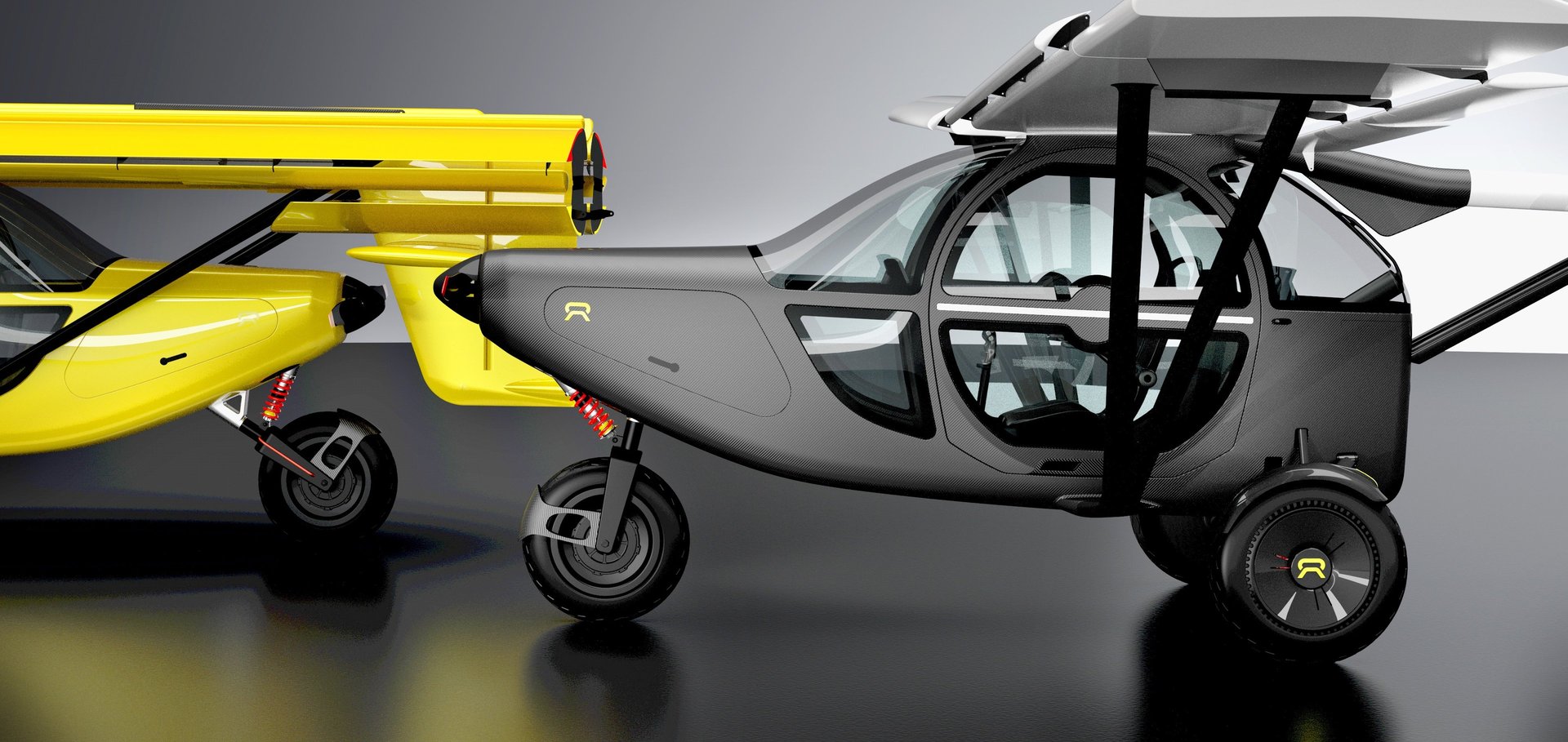
The Freedom Electric 1 (FE1) is the first implementation of the KARRIA bi directional flying car platform and serves as its practical starting point.
The FE1 is engineered from the outset to operate both in the air and on the road within a single, compliant structure.
In flight mode, the same lightweight composite structure and conventional aerodynamic layout function as a straightforward, efficient aircraft. No flight systems are compromised to accommodate road use, and no road systems interfere with the aircraft’s primary load paths or controls.
Its compact footprint is intentional. In road mode, the FE1 occupies a space comparable to the original Volkswagen Golf Mk1, making it manageable on city streets, access roads, and constrained environments.
FE1
As a Part 103 Ultralight
The same platform is built to leverage the new MOSAIC regulations with upgraded batteries and a more powerful motor, unlocking even greater performance and capabilities for future evolution.
Under the MOSAIC Framework:
In its primary configuration, the FE1 will adhere to the stringent and challenging Part-103 category makes it incredibly accessible in many regions.
Our approach to production is deliberate and methodical. The goal is not speed to market, but a vehicle that is proven, predictable, and safe.
Phase 1 – Prototype Testing (Q3 2026)
Development Roadmap
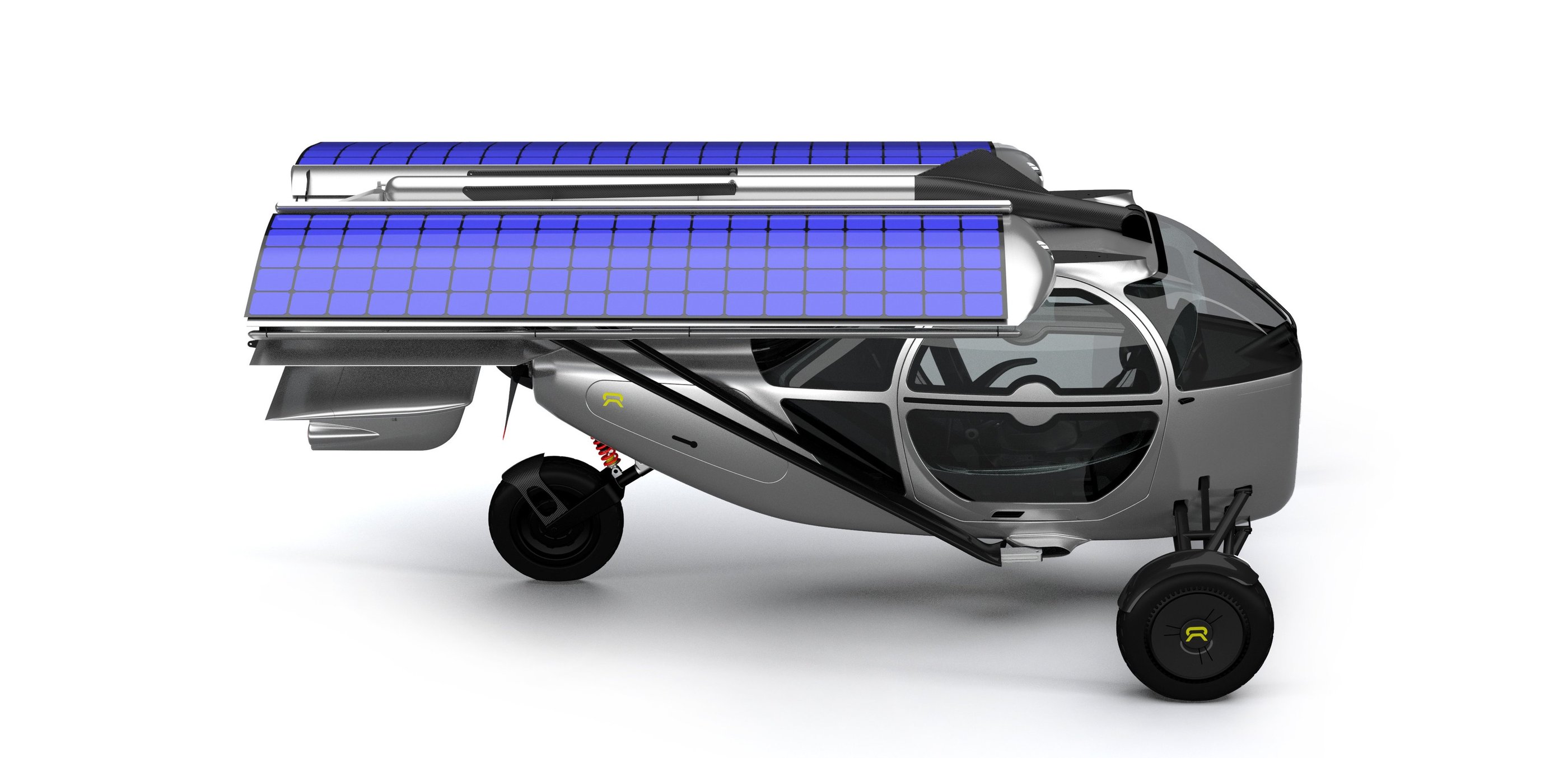
The FE1 is designed with independence in mind, but without relying on optimistic assumptions. Its primary operation is based on conventional charging and energy management. In off-grid or unexpected situations additional power generating devices such as solar power has the potential to allowing further ground capabilities “limp mode” configuration (Not during flight).
While limited in output, this approach provides resilience rather than range—time and daylight can be traded for mobility when no other options exist. Beyond this baseline capability, the platform has been designed to accommodate more advanced solar and energy-harvesting solutions as the technology matures.

